AI Receptionist for UK Vets: Pet Appointment Calls and Emergency Safeguards
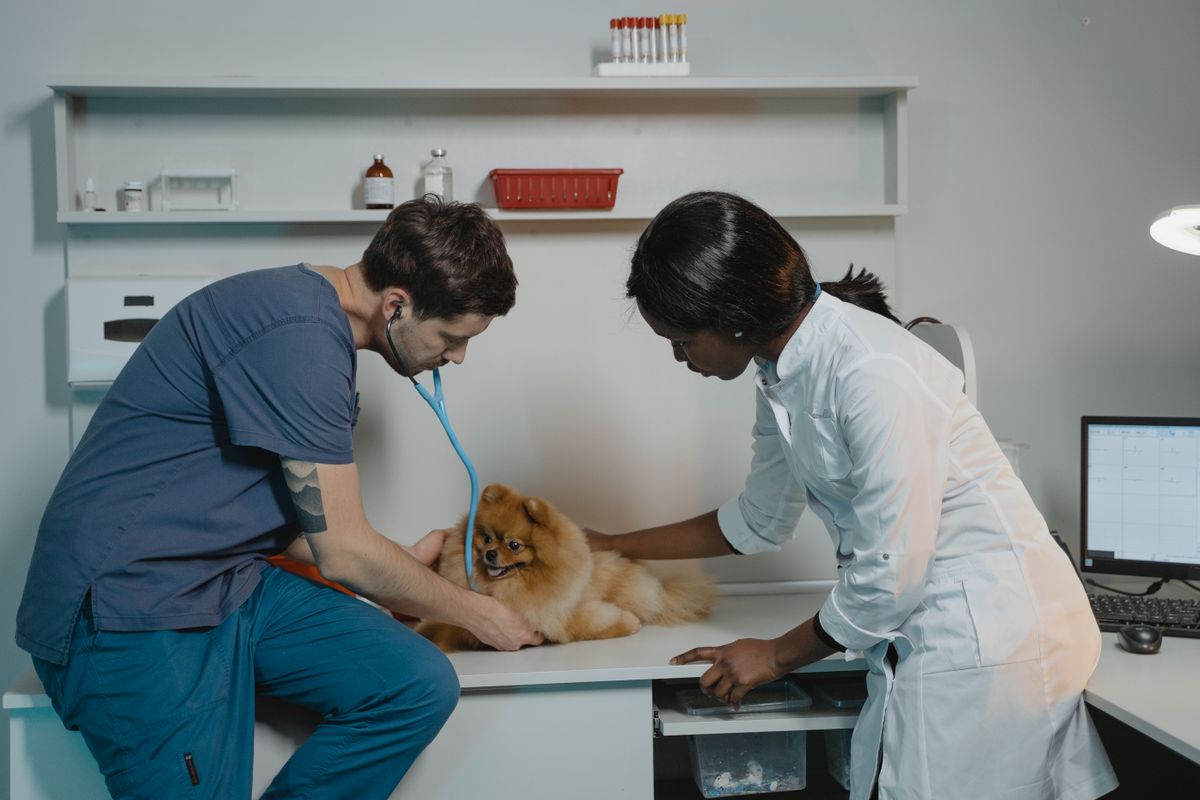
A veterinary receptionist may be helping a distressed pet owner at the desk when another owner calls about a vaccination, prescription collection or a dog that has suddenly collapsed. These conversations require different responses. AI phone answering can capture routine enquiries and reduce administrative interruptions, but it must never turn an emergency into a standard callback. This guide explains how UK veterinary practices can deploy an AI receptionist safely, what to test before launch and what Telamet actually offers.
Why veterinary phone answering needs two distinct workflows
Searches such as AI receptionist for vets UK, veterinary phone answering service and out-of-hours vet calls reflect two different needs: reliable administration and safe handling of urgent animal-health concerns. A single generic script is inadequate. Routine calls can be answered with approved practice information; potentially urgent calls must be routed immediately to a qualified veterinary team or the practice's designated emergency provider.
Practices should define the difference between a non-urgent appointment request and a possible emergency before configuring the agent. The AI should identify itself, avoid diagnosing animals and never imply that an unattended message is being clinically monitored.
Routine calls an AI veterinary receptionist can help with
A configured Telamet voice agent can explain approved opening hours, branch locations, parking, registration procedures, published services and the process for requesting a routine appointment. It can collect limited contact details and pet species to help the team return a call.
- Vaccination and routine health-check appointment enquiries.
- Neutering consultation requests and published pre-appointment information.
- General practice opening hours, accessibility and directions.
- Requests for a callback about repeat prescriptions or medication collection; only veterinary staff can authorise medicines.
- Questions about published fees, payment methods and insurance-claim procedures.
- Appointment cancellation or rescheduling requests when the authoritative calendar is actually connected.
Emergency calls: design for immediate escalation, not AI triage
A pet owner may describe collapse, difficulty breathing, uncontrolled bleeding, seizures, poisoning, severe trauma or an inability to pass urine. These are examples of potentially urgent situations, not a checklist for an AI to diagnose. The agent should not provide treatment instructions, estimate how long it is safe to wait or reassure the caller based on incomplete information.
Have the practice's clinical leadership approve clear wording that directs callers to the on-duty veterinary team or designated emergency provider immediately. If an urgent transfer cannot be completed, the agent should give the verified emergency contact details and advise prompt contact rather than promising a callback. Keep the emergency number, address and coverage hours current. The Royal College of Veterinary Surgeons is a useful starting point for understanding UK veterinary professional responsibilities.
Appointment requests versus confirmed bookings
Telamet's product documentation describes Google and Outlook calendar connections with live availability checks. That does not automatically mean it integrates with a veterinary practice-management system. If the clinic uses a specialist system as its source of truth, confirm a supported integration before promising real-time availability or a confirmed appointment.
Routine vaccinations, nurse clinics, surgery, urgent consultations and follow-ups may require different appointment lengths, staff and equipment. Where those conditions cannot be verified, the AI should take a preferred time and tell the caller that staff will confirm. Do not let an agent invent appointment slots or classify clinical urgency independently.
Example: how a safe veterinary call might sound
Caller: 'Can I book my cat for a routine vaccination next week?'
AI receptionist: 'I can help with an appointment enquiry. Which branch would you like, and what day suits you? I can check a connected appointment calendar if this service is configured, or ask the team to confirm.'
Caller: 'Actually, my cat is struggling to breathe right now.'
AI receptionist: 'Breathing difficulty can be an emergency. Please contact the practice's emergency veterinary service immediately. I can provide the current emergency number or transfer you if that route is available.'
The example illustrates a policy to be reviewed by veterinary professionals. It is not a real Telamet call, clinical advice or evidence of emergency-dispatch integration.
Prescriptions, test results and insurance enquiries
Requests for repeat medication must be passed to authorised veterinary professionals; the AI must not approve prescriptions, change doses or promise a medicine is ready. Similarly, test results and clinical records should not be read aloud without a suitable identity-verification process and authorisation.
Insurance and payment enquiries can be answered from verified practice policies, but the agent should not guarantee a claim will be accepted, estimate an insurer's reimbursement or invent a treatment quotation. Escalate complaints, disputed invoices and sensitive clinical questions to staff.
UK GDPR, recordings and sensitive caller information
Collect only the details needed to handle the enquiry. Pet medical details are not automatically human health data, but the call may still contain personal data about owners, including contact information and financial circumstances. Apply UK GDPR principles: transparency, purpose limitation, access controls, retention and secure handling.
Telamet describes an automatic spoken notice when recording is enabled, along with transcripts and call history. The practice must still assess its own lawful basis, privacy notices, processor arrangements and access permissions. Avoid unnecessary collection of payment-card details in recordings. Set a process for correcting inaccurate information and responding to data requests.
How human handover should work
Build clear routes for emergency calls, owners who request a person, distressed callers, complaints and complex clinical questions. Telamet's product overview describes live takeover through browser or phone; its Professional plan lists live takeover and per-agent escalation routing. Verify that the selected plan, staff coverage and phone forwarding are suitable before relying on those features.
A live takeover feature does not guarantee that a veterinary professional is available at all times. Always provide a tested fallback with the actual out-of-hours emergency contact.
Practical setup checklist for a UK veterinary practice
- Audit call types and peak missed-call periods; separate routine and emergency intents.
- Get written clinical approval for emergency wording, transfer logic and fallback numbers.
- Load approved information for each branch, including opening hours, routine services and fees.
- Verify the source of truth for appointments and avoid claiming untested practice-software integrations.
- Set up existing-number forwarding or a new number and test real inbound calls.
- Test scenarios involving breathing difficulty, poisoning, medication, appointment changes, complaints and requests for a person.
- Confirm recording notices, privacy documentation, transcript access and retention.
- Pilot on non-urgent overflow calls, review failures daily and expand only after safety checks.
Telamet pricing for UK veterinary practices in November 2026
As checked on 13 November 2026, Telamet pricing lists Starter £49.99/month for up to three AI voice agents, Professional £149.99/month for up to fifteen, Business £399.99/month and Enterprise £999.99/month. Optional assisted setup is £350 once. Professional lists live takeover and escalation routing.
Calls are billed by the minute from a shared credit balance. Check the current usage rates, telephone-number costs, credits, applicable taxes and integration requirements before forecasting total spend. For example, 200 calls lasting an average of 2.5 minutes would generate 500 connected minutes; the actual charge depends on the current rate, not just the subscription.
How to measure success without compromising patient safety
Track answered routine calls, valid appointment requests, confirmed bookings, callback speed and staff time saved. Separately review emergency routing failures, inaccurate claims about appointments, unwanted disclosure of owner data and complaints. A higher answer rate is not success if urgent calls are mishandled.
Start with a limited pilot and compare results against a baseline. Read Telamet's features, check current prices, and test the exact call flows your practice needs before deployment.
Frequently asked questions
- Can an AI receptionist answer calls for a UK veterinary surgery?
- Yes, for configured administrative enquiries such as opening hours and routine appointment requests. The practice must establish immediate routes to veterinary professionals for urgent animal-health concerns.
- Can Telamet decide whether a pet needs emergency treatment?
- No. It should not diagnose or independently determine clinical urgency. Potential emergencies should be directed promptly to a verified veterinary emergency contact under a clinician-approved protocol.
- Can Telamet book appointments in veterinary practice-management software?
- Do not assume a specialist integration. Telamet documents live Google and Outlook calendar checks; confirm and test any veterinary software integration before offering confirmed bookings.
- Can it answer calls when the veterinary practice is closed?
- A configured agent can answer routine calls out of hours, subject to service capacity and credits. Emergency callers need the correct current out-of-hours veterinary provider, not a routine message queue.
- Can the AI approve repeat prescriptions for pets?
- No. Medication approval and clinical decisions belong to authorised veterinary professionals. The AI can capture a request and explain the practice's approved process.
- Can we keep our existing veterinary practice phone number?
- Telamet describes existing-line forwarding and eligible number porting as well as new numbers. Confirm the arrangement with your telephone provider and test call routing.
- How much does Telamet cost for a small vet practice?
- As of 13 November 2026, Starter is listed at £49.99/month, with usage billed per minute from shared credits. Check the live pricing page for the current rates and limits.
- Can a pet owner speak to a human?
- Yes, where handover is configured and a team member is available. Professional lists live takeover and escalation routing. A verified fallback is essential when nobody is available.