AI Receptionist for Dental Practices UK: Handle Appointment Calls Without Clinical Risk
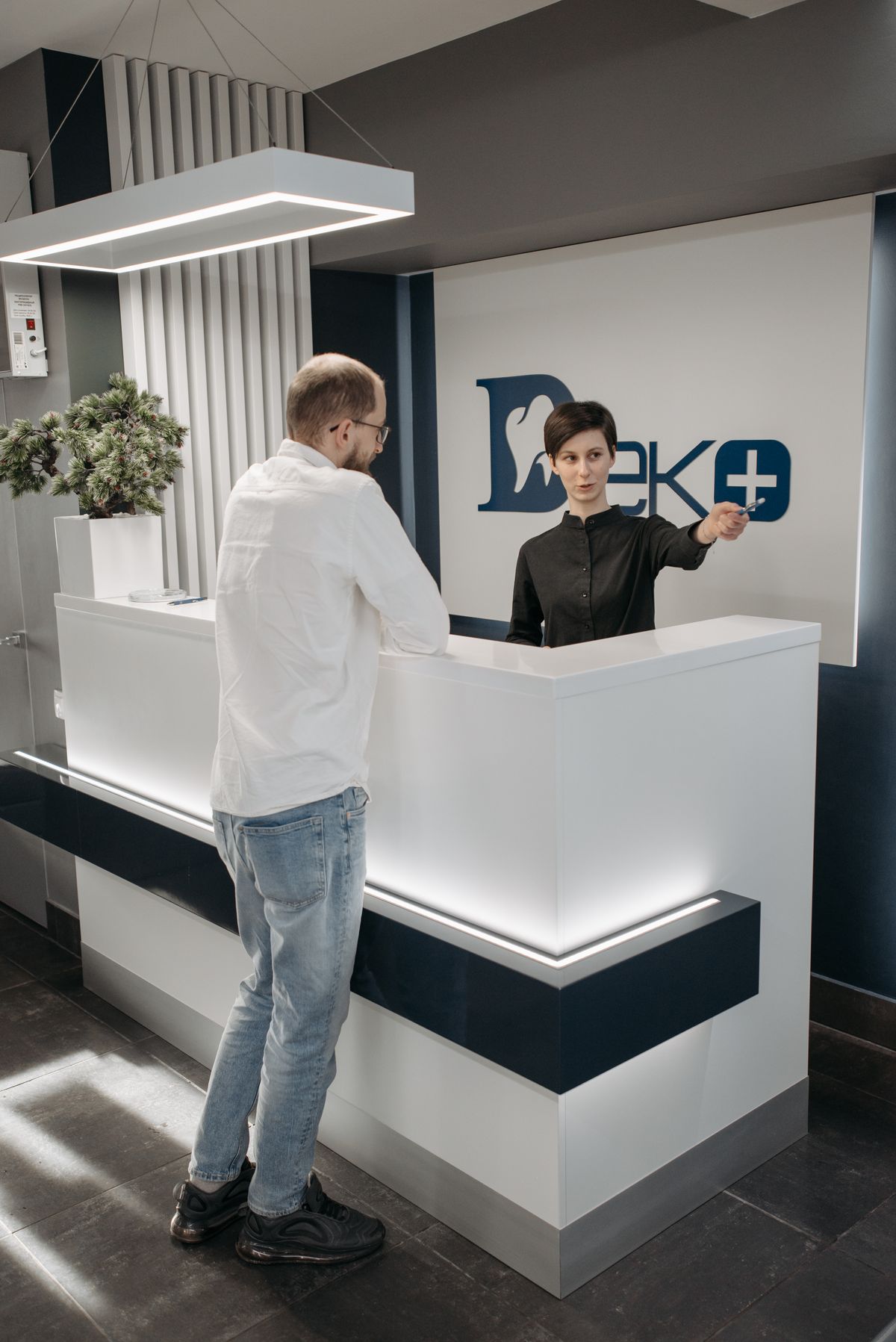
The phone rings while the front-desk team checks in a patient and a dentist is in surgery. The caller wants to rearrange a hygiene appointment; another needs directions; a third reports severe swelling. Those calls should not all follow the same path. An AI receptionist can help a UK dental practice handle routine administrative enquiries, but patient safety depends on clearly separating appointment administration from clinical assessment. This guide explains how to set up that boundary, what to test and where Telamet can fit.
What does an AI receptionist do for a dental practice?
An AI dental receptionist is a voice agent configured to answer incoming telephone calls using practice-approved administrative information. It can explain opening hours, capture callback requests, answer routine questions and help with appointment enquiries. When connected to a supported calendar and properly configured, it can check available times.
It is not a dentist, dental nurse or clinical triage service. The agent should never diagnose toothache, recommend treatment, interpret symptoms or decide whether an emergency can wait. Build an explicit route to a qualified human or appropriate urgent-care service for anything clinical.
Five routine calls that are suitable for automation
The useful measure is not how many calls the AI answers, but how many it resolves correctly without creating extra work or confusion.
- Opening hours, address, parking and accessibility questions based on approved practice details.
- Requests for routine check-ups or hygiene appointments, subject to actual diary availability.
- Rescheduling or cancellation requests, with identity checks and practice rules applied.
- Administrative questions about accepted payment methods or published fees, without inventing prices.
- New-patient registration enquiries, including a clear explanation when the practice is not accepting patients.
What should always go to a human?
A dental practice needs conservative escalation. If a caller describes pain, bleeding, trauma, swelling, medication issues or another possible clinical concern, the agent should stop treating the call as a routine booking request. It should follow the practice's approved urgent-contact instructions and route to a trained person or direct the caller to the appropriate published urgent-care contact pathway.
In England, NHS 111 can help people access urgent dental advice when their usual dentist is unavailable. The agent should not imply that a routine booking replaces urgent assessment. Emergency symptoms that could be life-threatening require the appropriate emergency-services route. Practices in Scotland, Wales and Northern Ireland should configure their own local pathways rather than assume English arrangements apply.
Do not use an AI receptionist to promise treatment, prioritise clinical urgency or provide personalised medical advice.
A realistic example: a hygiene appointment request
Caller: “Can I book a hygiene appointment next Wednesday afternoon?”
AI: “I can help check appointment availability. Are you an existing patient?”
Caller: “Yes.”
AI: “Thanks. I’ll check the appointment calendar for Wednesday afternoon. Before making any changes, I’ll follow the practice’s identity-verification steps.”
If the supported calendar confirms a slot: “That time is available. I can confirm the appointment once the booking has been saved successfully.”
This is an illustrative script, not a real Telamet transcript. Never claim an appointment is booked until the connected system returns a successful confirmation.
How Telamet fits into a dental practice's phone workflow
Telamet's voice agents can answer inbound calls, use practice-supplied knowledge, work with Google and Outlook calendars, and provide transcripts and call history. Its phone-number options include forwarding an existing line, porting a number or renting a new one.
Telamet also offers live human takeover and call-transfer features on eligible plans. For a practice, the sensible first deployment is usually after-hours administrative enquiries or overflow calls, with clear handoff rules. Do not assume native integration with dental practice-management software; verify any such integration before offering live booking or record updates.
For a broader overview of receptionist and scheduler workflows, see Telamet solutions.
The booking-system integration question
Dental practices may use specialised patient-management systems with treatment types, clinician availability, patient records and consent controls. A general calendar integration does not automatically provide all those functions. If Telamet cannot write a confirmed appointment into the practice's system, use an enquiry-capture and staff-confirmation workflow instead.
That distinction protects patients from double bookings and protects staff from having to reconcile conflicting diaries. Use wording such as “We have received your appointment request; the practice will confirm it” unless the integration actually completed the booking.
Privacy, call recordings and patient information
A caller may disclose health information even when the conversation starts with a routine question. Health data has additional protection under UK data-protection law. Before deployment, decide what information the agent may collect, how long recordings and transcripts are retained, who can access them and whether a data-protection impact assessment is appropriate.
Give clear privacy information, use appropriate processor agreements and access controls, and minimise unnecessary collection of symptoms or treatment histories. Telamet says it provides spoken recording notices when recording is enabled, but the practice remains responsible for reviewing its legal and professional obligations.
For current UK guidance, consult the Information Commissioner's Office and relevant professional regulators. This article is operational guidance, not legal or clinical advice.
Seven-step setup checklist for a safer launch
Keep a documented fallback if the AI service, telephone forwarding or calendar becomes unavailable.
- Define a narrow administrative scope: opening hours, directions, routine appointment requests and callbacks.
- Upload approved answers and practice policies, with an owner responsible for keeping them current.
- Write explicit escalation instructions for clinical symptoms, urgent requests, complaints and requests for a person.
- Decide whether the agent will confirm bookings through a verified integration or only capture requests.
- Configure recording, retention, privacy notices and access permissions before accepting live patient calls.
- Test noisy calls, unclear dates, elderly callers, accents, urgent symptoms, failed calendar lookups and unavailable staff.
- Pilot on a limited call route; review transcripts and outcomes, then expand only when error rates and handoffs are acceptable.
What does an AI dental receptionist cost?
As checked on 4 November 2026, Telamet pricing lists Starter at £49.99 per month, Professional at £149.99 per month, Business at £399.99 per month, and Enterprise at £999.99 per month. Calling is usage-based and charged per minute from a credit balance. Optional assisted setup is listed at £350.
Starter covers basic AI voice-agent capabilities; features such as live human takeover and more advanced transfer routing are listed under Professional. Confirm the current plan allowances, call charges and required features before budgeting.
Measure total cost against genuine administrative time saved, the number of successfully handled enquiries, patient experience and staff follow-up workload. A low per-call price is not useful if the system creates unsafe or incorrect bookings.
How to measure a pilot without overstating results
Run a controlled trial, then review the percentage of calls answered, routine requests resolved, confirmed appointments, callbacks completed, escalations handled correctly and incorrect answers. Track clinical escalation failures separately: one serious routing error deserves more attention than dozens of successful opening-hours enquiries.
Ask reception staff whether the system reduces interruptions or simply moves work into a different queue. Compare after-hours and peak-time calls to see where automation is actually valuable.
Try the voice experience before connecting patient calls
You can test how an AI conversation sounds through Telamet's free UK demonstration call. Creating an account to build and test an agent does not mean live production calling is free. Check product capabilities, documentation and current pricing, then plan a limited, supervised pilot.
For dental practices, the right goal is straightforward: let AI handle predictable administration while qualified people retain responsibility for patient care.
Frequently asked questions
- Can an AI receptionist book dental appointments?
- It can handle booking enquiries and, with a supported and properly configured calendar connection, check availability. Do not assume it integrates directly with dental patient-management software or confirms appointments without verification.
- Can an AI receptionist give dental advice?
- It should not diagnose, recommend treatment or triage clinical symptoms. Configure a prompt route to a qualified person or the practice's approved urgent-care pathway.
- Does Telamet integrate with dental software?
- Telamet publicly lists Google and Outlook calendars, CRM updates and webhooks. Confirm any specific dental-system integration with Telamet before relying on it.
- Can we keep our existing dental practice phone number?
- Telamet describes forwarding an existing line, porting a number or renting a new number. Confirm availability with your telephone provider and chosen plan.
- How should an AI receptionist handle dental emergencies?
- It should follow approved urgent-contact instructions and escalate rather than assess severity. In England, NHS 111 can advise on urgent dental care when the usual dentist is unavailable; emergency services are appropriate for life-threatening emergencies.
- Is an AI receptionist GDPR compliant?
- Compliance depends on the practice's configuration, lawful basis, contracts, privacy notices, security, retention and handling of health data. Review ICO guidance and seek specialist advice where needed.
- How much does Telamet cost for a dental practice?
- On 4 November 2026, Starter is listed at £49.99/month and Professional at £149.99/month, plus usage-based call charges. Confirm current prices and plan capabilities on Telamet's pricing page.
- Can we test Telamet before using it with patients?
- Yes. Telamet offers a free UK demonstration call and a way to build and test agents. Test with fictional scenarios and avoid putting real patient data into unapproved trials.