AI Receptionist for UK Builders: Capture Quote Enquiries While You're on Site
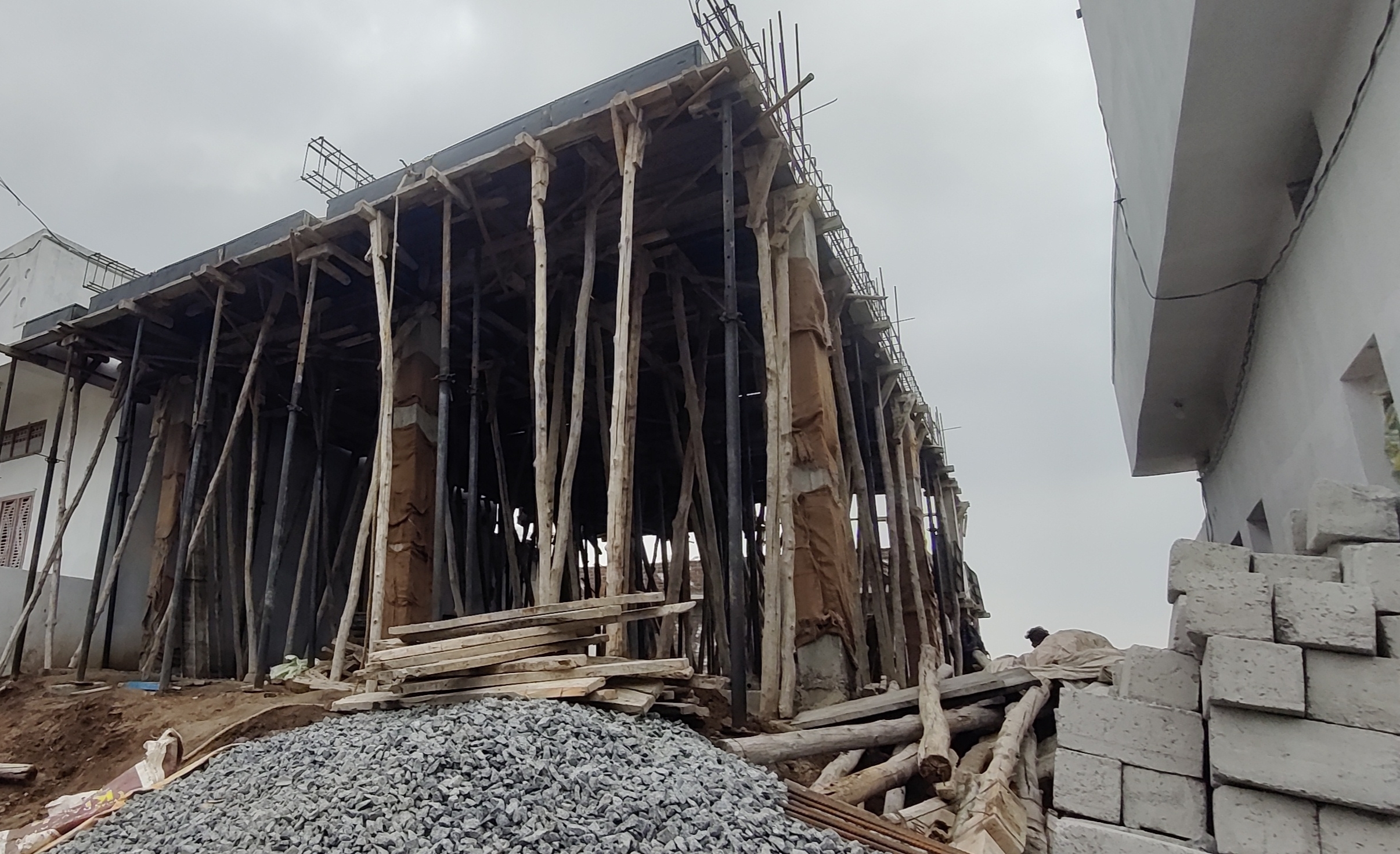
A builder cannot safely answer every phone call while carrying materials, supervising a site or speaking to a customer. Yet the next call may be a valuable loft conversion, extension or refurbishment enquiry. An AI receptionist can answer routine questions, collect the essentials and arrange a next step without pretending to estimate a job it has not inspected. This guide explains a realistic workflow for UK builders and renovation contractors, including what Telamet can—and cannot—do.
Why builders miss calls—and which calls are worth capturing
Searches for AI receptionist for builders UK, builder phone answering service and construction quote enquiry answering usually reflect a practical problem: the business owner is on a job, but new enquiries arrive throughout the working day. Calls also come from suppliers, subcontractors and existing customers.
An AI voice agent is most useful as a structured first contact. It can answer approved FAQs, record a prospect's details and help staff prioritise follow-up. It cannot replace a site survey, professional estimate, building-control approval or qualified technical judgement.
The six call types a building contractor should separate
A single script for every caller wastes time and can mishandle urgent issues. Configure separate paths and test each one before sending live traffic.
- New project enquiry: extension, renovation, loft conversion, kitchen refurbishment or general building work.
- Existing customer: project update, site access, scheduling or an issue needing the project manager.
- Supplier or subcontractor: delivery coordination, access arrangements and urgent site questions.
- Site-visit request: preferred date and time, subject to a connected calendar and staff confirmation.
- Unsolicited sales call: record or decline according to company policy.
- Safety-critical incident: urgent escalation to a human and appropriate emergency services rather than routine message-taking.
Qualifying a quote enquiry without promising a price
The first call should collect only enough information to decide whether the contractor is a plausible fit. Ask for the general location or postcode, project type, approximate scale, desired start window, whether the caller owns or manages the property, and a safe callback number. Budget range may be helpful if asked tactfully, but it is not a substitute for inspecting the work.
Do not generate a fixed quote from a brief description. Access constraints, structural condition, specifications, planning requirements, waste removal and subcontractor availability can change costs substantially. Tell callers that a written quotation follows review by the contractor.
Example: a kitchen extension enquiry
Caller: 'I'm thinking about a single-storey kitchen extension. Can you give me a price?'
AI receptionist: 'I can take the details for the building team to review. Which town or postcode is the property in, and roughly what size extension are you considering?'
Caller: 'About four metres out, in Maidstone. Could someone come next week?'
AI receptionist: 'I can check the connected visit calendar if the team has enabled that, or record your preferred days for confirmation. The contractor will assess the work before giving a quotation.'
Caller: 'Will I definitely get planning permission?'
AI receptionist: 'That depends on the proposal and property. The team can discuss the next steps, but I cannot confirm planning or building-control approval.'
This is an illustrative workflow, not a transcript of an actual Telamet call or a quotation.
Booking surveys and site visits: confirm the diary first
Telamet's product page describes live Google and Outlook calendar availability. A connected appointment calendar can help schedule an initial consultation or visit when configured correctly. It does not establish native integration with a builder's estimating, field-service or project-management software.
Allow travel time, realistic appointment duration, the relevant surveyor's availability and geographic service areas. If the diary is not authoritative, collect a requested time and tell the caller it remains unconfirmed. Avoid promising a start date, crew allocation or completion date.
What the AI should say about planning permission and building regulations
Questions about permitted development, structural alterations, party walls, asbestos, gas or electrical works require qualified assessment. The agent can explain the contractor's published process and direct callers to official guidance, such as the Planning Portal and GOV.UK building regulations guidance, without treating those resources as a property-specific determination.
Do not say an extension is automatically permitted, that a wall is non-load-bearing, or that work is safe to begin. Where specialist input is required, route to the relevant surveyor, architect, structural engineer or competent tradesperson.
Safety and urgent site calls need a separate route
Calls about an injury, fire, gas smell, structural collapse or other immediate danger must not be parked in a routine callback queue. Configure concise, pre-approved escalation wording, identify emergency-service situations and make it easy to reach the designated responsible person. The AI should not attempt to assess structural stability or issue site-specific safety instructions.
Telamet describes human takeover by browser or phone, while its Professional pricing tier lists live takeover and per-agent routing. Neither a transfer feature nor 24-hour answering guarantees that a competent person is available. Test an unavailable-staff fallback and direct emergency callers to the appropriate emergency service.
Keep existing customers and subcontractors informed without inventing updates
An existing customer may ask when a crew will arrive or why a job is delayed. The AI can capture the request and share an approved, current message. It should not fabricate progress, claim materials have arrived, promise a subcontractor is booked or disclose another customer's details.
Supplier calls can be routed using approved contact and delivery instructions. Do not disclose alarm codes, lockbox combinations or sensitive access details without an independently verified and authorised process.
UK GDPR, call recordings and privacy
A quote enquiry usually needs a name, contact details, general location and project outline. Avoid collecting payment-card numbers, sensitive household information or unnecessary photographs during an ordinary voice call. Set clear retention and access rules for transcripts and recordings.
Telamet says it automatically announces recording when enabled. The building company still needs its own lawful basis, privacy notice, security controls and appropriate handling of personal data under UK GDPR. Review ICO guidance and your contractual responsibilities before launch.
A practical launch checklist for a small building firm
Start with overflow and out-of-hours calls rather than assuming every interaction should be automated from day one.
- Review 20–30 recent calls and identify common intents and missed-call periods.
- Write approved answers about service area, work types, opening hours and the quotation process.
- Specify the minimum information needed for new enquiries and the criteria for declining unsuitable jobs.
- Decide who handles site visits, technical questions, complaints and urgent safety incidents.
- Connect and test a real Google or Outlook diary if bookings are offered.
- Choose a new number, eligible port or forwarding from the existing business number; test it with the provider.
- Run test calls for a vague quote request, urgent incident, angry customer and unavailable staff member.
- Review call outcomes weekly, correct incorrect answers and update the knowledge base.
Telamet pricing for UK builders in November 2026
Checked on 15 November 2026, Telamet's pricing page advertises Starter at £49.99/month for up to three AI voice agents, Professional at £149.99/month for up to fifteen, Business at £399.99/month and Enterprise at £999.99/month. Optional assisted setup is £350 once. Confirm the live plan terms before subscribing.
Call costs are charged by the minute from a credit balance; the subscription alone is not an unlimited-calling promise. For example, 150 enquiries averaging four minutes would consume 600 call minutes before any other usage components. Check per-minute rates, numbers, credits and applicable taxes on the live pricing page.
Measure real enquiry quality rather than vanity call counts
Track answered calls, qualified local leads, actual site visits booked, quotes issued, jobs won, average response time and cost per qualified enquiry. Compare these with the pre-launch baseline. A high answered-call count is not useful if callers receive wrong information or staff never follow up.
For a small contractor, the goal is straightforward: capture relevant enquiries while the team works safely on site, then hand the right information to a human who can assess the job. Explore Telamet's voice-agent capabilities and current plans, and test a call before deployment.
Frequently asked questions
- Can an AI receptionist answer calls for a UK building company?
- Yes. A configured voice agent can answer approved questions, capture project enquiries and arrange next steps. A contractor still needs to assess work, prepare quotations and handle technical decisions.
- Can Telamet give customers building quotes automatically?
- Do not assume a site-specific estimating function. Telamet can collect the information needed for a builder to prepare a quote, but pricing should be reviewed by the contractor after an appropriate assessment.
- Can it book a site survey?
- Telamet describes Google and Outlook calendar availability checks. Book only when the correct diary, duration, service area and booking rules are configured and verified; otherwise take a request for staff confirmation.
- Will it integrate with my construction job-management software?
- Telamet documents CRM updates and webhooks, but a native integration with any named construction platform should be verified and tested rather than assumed.
- Can I keep my existing business phone number?
- Telamet describes forwarding an existing line, eligible number porting and new-number rental. Confirm the routing arrangement with your current telephone provider.
- What happens if a caller reports a serious site accident?
- Configure immediate escalation and appropriate emergency-service guidance. Never treat a potentially life-threatening incident as a routine message or assume that an employee is always available for live takeover.
- How much does Telamet cost for a sole-trader builder?
- As checked on 15 November 2026, the Starter subscription is advertised at £49.99 per month, with usage billed by the minute. See the live pricing page for full charges and taxes.
- Can the AI tell callers whether planning permission is needed?
- It can refer callers to approved general guidance, but it should not determine the planning or building-control position for a particular property. Refer project-specific questions to the appropriate professionals or authority.
Try Telamet's AI receptionist for your business · More articles